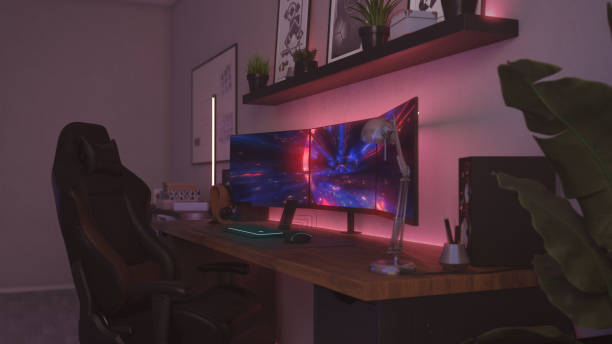
In today’s multi-tasking digital era, a dual-monitor setup has become increasingly common and beneficial. Whether you are a professional seeking to expand your workspace, a content creator managing multiple tools simultaneously, or a gamer wanting immersive screens, connecting two displays to a single computer can significantly boost productivity and comfort. The guide linked from https://infomania.space/pantallas/138/2022/ outlines how to connect and configure dual monitors, and this article expands on that foundation with additional insights, tips, and practical steps.
This comprehensive guide will walk you through everything from hardware requirements and connection types, to configuration on operating systems, troubleshooting, and optimization for everyday use.
1. Why Use a Dual-Monitor Setup?
Adding a second screen isn’t just about having more space. Dual displays transform the way you interact with your digital environment:
- Enhanced productivity: You can keep reference material open on one screen while working on the other.
- Better multitasking: Apps and browser tabs no longer compete for a single space.
- Improved creative workflow: Designers, editors, and developers can see tools and outputs without constant tab switching.
- Gaming and entertainment: Extend game visuals or stream content while keeping chats, stats, or controls on the second screen.
Professionals across fields find dual screens especially useful because they expand workspace without requiring a larger physical footprint.
2. What You Need Before You Begin
Before connecting two monitors, take stock of your hardware:
Video Output Ports
Your computer’s video outputs determine how many monitors you can connect and which cable types you can use. Common ports include:
- HDMI: Widely used and supports both audio and video.
- DisplayPort: Excellent for higher resolutions and refresh rates.
- DVI: Older digital standard, still viable for many monitors.
- VGA: Analog connection, generally best avoided for high-quality setups.
- USB-C/Thunderbolt: Often used in modern laptops and supports video output with the proper adapter.
Monitor Inputs
Check the input options on each monitor. Ideally, you want matching inputs (e.g., HDMI to HDMI), but mismatches can be resolved with adapters or docking stations if needed.
3. Step-By-Step Connection Guide
Once you’ve confirmed compatible ports:
a. Direct Connection
When your computer has two suitable output ports:
- Power off your PC and monitors.
- Connect the first monitor using the first video port.
- Connect the second monitor using the second port.
- Power on the monitors, then the computer.
Modern operating systems (Windows, macOS, Linux) typically detect connected displays automatically.
b. Using Adapters or Hubs
If your computer lacks multiple output ports:
- Adapters: Convert available ports (e.g., USB-C-to-HDMI).
- Docking Stations: Provide multiple video outputs along with USB, Ethernet, and power delivery options. Useful for laptops with limited native output.
- DisplayLink hubs: Work via USB and support multiple displays even if your system doesn’t natively support them.
4. Configuring Displays in Your Operating System
a. Windows (10/11)
- Right-click the desktop and choose Display Settings.
- You will see icons for your connected monitors.
- Go to Multiple displays and choose:
- Extend these displays (most common setup)
- Duplicate these displays (mirrors the same content on both)
- Show only on 1/2 (turns off one screen)
- Drag the display icons to match the physical arrangement.
- Adjust resolution and orientation for each monitor.
Tip: Press Windows + P to quickly switch between display modes without navigating menus.
b. macOS
- Open System Preferences > Displays.
- In the Arrangement tab, drag the displays to match your physical setup.
- Uncheck Mirror Displays to use extended mode.
5. Optimize Display Settings for Use
Getting dual screens connected is just the start. To make the setup work seamlessly:
Resolution and Scaling
Ensure each monitor is set to its native resolution for best clarity. If sizes or pixel densities differ, scaling adjustments can make visuals consistent across screens.
Orientation and Layout
You can rotate a monitor to portrait mode for reading long documents or coding, while keeping the other in landscape mode for general use.
Color and Calibration
For creative professionals, calibrating both screens to match color output is essential for accurate visual work.
Taskbar and Dock Management
In Windows, you can configure the taskbar to appear on one screen or both. macOS users may customize the Dock placement for efficient workflow.
6. Common Issues and How to Fix Them
Even with the correct hardware and connections, dual-monitor setups sometimes encounter problems:
Issue: Second Monitor Not Detected
- Verify ports and cables are firmly connected.
- Try switching ports or cables.
- In Windows, go to Display Settings > Detect.
- Update or reinstall graphics drivers if the system still doesn’t recognize the second screen.
Issue: Only Mirrored Displays
Ensure “Extend these displays” is selected in display settings. Mirroring shows the same image on both screens, which is not ideal for dual display productivity.
Issue: Flickering or Poor Resolution
- Use quality cables.
- Set monitors to native resolution.
- Avoid mismatched refresh rates that might cause visual instability.
Issue: Limited Ports on Laptop
Using docks or adapters can expand the number of usable outputs. A USB-C hub or docking station often provides multiple display connections even on ultrabooks with only one video port.
7. Advanced Setup Ideas
Portrait and Landscape Combination
For certain workflows like coding, writing, or research, placing one monitor vertically increases vertical space while keeping the other horizontally for general tasks.
Different Resolutions and Refresh Rates
It’s possible to run one monitor at 1080p and another at 4K, or one at 60Hz and another at 144Hz. Just be mindful of how your GPU handles these demands. Dedicated graphics often manage this better than integrated video solutions.
Wireless Displays
Modern systems (like Windows with Miracast compatible devices) support wireless screens. Although convenient, they may introduce latency compared to wired connections.
8. Enhancing Workflow with Dual Monitors
Once your setup is complete, small adjustments can greatly improve daily use:
- Snap and arrange windows using built-in OS features or third-party tools.
- Keep work apps on one screen and reference materials on the other.
- Use multiple desktops to create organized workspaces across displays.
These practices help leverage the full potential of a dual-monitor system.
Conclusion
A dual-monitor setup is more than just a technical enhancement — it’s a workspace transformation. From the basic instructions provided at https://infomania.space/pantallas/138/2022/ to the practical steps, configuration tips, and optimization strategies outlined here, understanding and implementing a dual screen setup can redefine productivity and comfort.
Whether you are connecting two monitors for work, gaming, or creative projects, the right combination of hardware, software settings, and ergonomic design will make your digital environment more efficient and enjoyable. If you practice the steps above and tailor them to your specific needs, your dual-monitor setup will deliver tangible benefits every day.