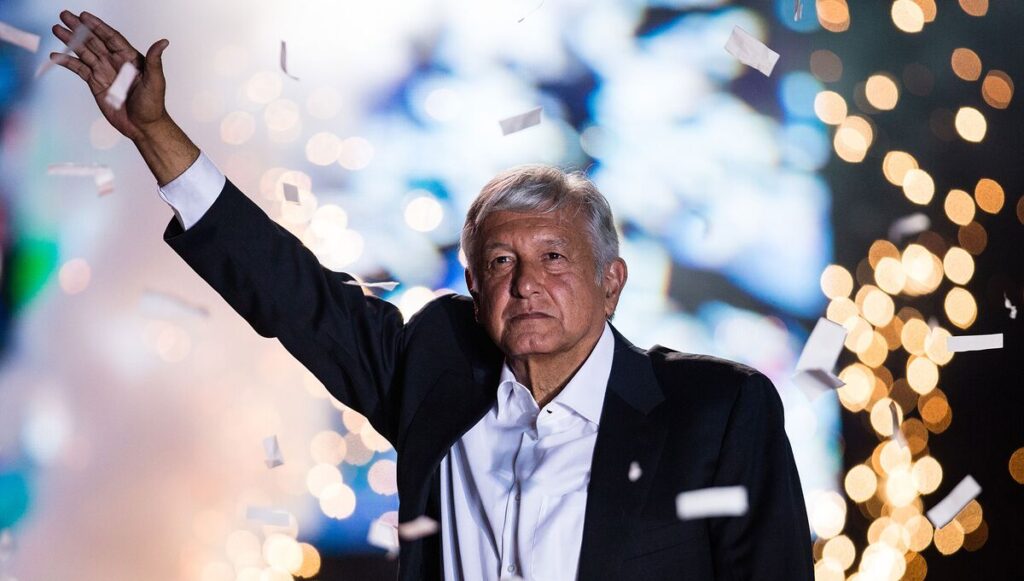
Youth political participation in Mexico has increased noticeably over the past decade, and one of the most visible examples of this trend is the growing support for President Andrés Manuel López Obrador (AMLO) among young people. The emergence of organized youth groups openly aligning themselves with AMLO’s political vision reflects broader social, economic, and cultural shifts taking place across the country. Insights drawn from https://costumbresmexico.com/se-presentan-jovenes-proamlo highlight how and why this generation is becoming more politically active and why AMLO’s message resonates so strongly with them.
This article explores the underlying factors behind youth support for AMLO, focusing on economic realities, social justice narratives, political identity, and the desire for structural change—without reproducing or copying content from any external source.
The Changing Political Landscape for Mexican Youth
Mexico’s younger generations are growing up in a period marked by economic uncertainty, rapid technological change, and widespread awareness of inequality. Unlike previous generations, today’s youth have access to real-time information, social media discourse, and political narratives that shape their views early on. These conditions have created a generation that is more outspoken, more informed, and more willing to organize collectively.
Within this environment, AMLO’s political positioning as a reformist leader challenging entrenched power structures has attracted young supporters who feel excluded from traditional political and economic systems. The youth movements referenced in https://costumbresmexico.com/se-presentan-jovenes-proamlo reflect this broader generational awakening rather than a short-term political trend.
Economic Pressures and the Search for Opportunity
One of the most significant drivers of youth support for AMLO is economic reality. Many young Mexicans face limited access to stable employment, rising living costs, and fewer opportunities for upward mobility. These challenges have fostered skepticism toward established political elites and economic models.
AMLO’s discourse emphasizes social programs, state involvement in economic development, and support for marginalized communities. For young people navigating precarious job markets and uncertain futures, these ideas offer hope for structural reforms that could improve access to education, employment, and social mobility. According to the themes highlighted in https://costumbresmexico.com/se-presentan-jovenes-proamlo, youth supporters often frame their activism around economic justice and long-term national development rather than short-term political gains.
A Strong Narrative of Social Justice
Another factor influencing youth support is AMLO’s emphasis on social justice and equality. Younger generations tend to be highly sensitive to issues such as poverty, corruption, and unequal access to resources. AMLO’s political narrative positions these issues at the center of public debate, aligning closely with youth concerns.
Youth organizations inspired by AMLO often present themselves as advocates for inclusive growth, ethical governance, and national dignity. The emergence of organized groups, as discussed in https://costumbresmexico.com/se-presentan-jovenes-proamlo, suggests that young people are not merely passive supporters but active participants seeking to shape public discourse around fairness and accountability.
Rejection of Traditional Political Elites
Many young Mexicans perceive traditional political parties as disconnected from everyday realities. Long-standing corruption scandals and perceived elite dominance have weakened trust in conventional political institutions. AMLO’s positioning as an outsider who challenges the political status quo has therefore resonated strongly with younger voters.
For youth supporters, backing AMLO represents more than allegiance to a single leader; it symbolizes a broader rejection of entrenched political practices. Insights reflected in https://costumbresmexico.com/se-presentan-jovenes-proamlo show that youth-led groups often emphasize transparency, renewal, and ethical leadership as core motivations for their support.
The Role of Political Identity and Belonging
Political identity plays an important role in youth engagement. Organized youth movements provide a sense of belonging, purpose, and collective identity. Supporting AMLO allows young people to align themselves with a national project they believe reflects their values and aspirations.
Youth organizations highlighted through https://costumbresmexico.com/se-presentan-jovenes-proamlo demonstrate how political participation can also function as a social activity, strengthening networks among like-minded individuals. This collective identity encourages sustained engagement rather than one-time electoral participation.
Influence of Education and Political Awareness
Higher levels of educational access and political awareness have also contributed to youth engagement. Many young supporters actively analyze policies, debate ideas, and engage in civic discussions both online and offline. AMLO’s frequent public communication and emphasis on political education align with this desire for informed participation.
Rather than relying solely on traditional media, young supporters often engage through digital platforms, community meetings, and grassroots initiatives. The organized presentations and public visibility discussed in https://costumbresmexico.com/se-presentan-jovenes-proamlo illustrate how youth seek to legitimize their political voice through formal and informal channels.
The Symbolism of National Transformation
AMLO’s broader political project is often framed as a national transformation aimed at redefining Mexico’s future. This vision resonates with youth who feel they will live with the long-term consequences of current policy decisions. Supporting AMLO is therefore seen as an investment in shaping the country they will inherit.
Youth movements connected to https://costumbresmexico.com/se-presentan-jovenes-proamlo often emphasize long-term thinking, national sovereignty, and institutional reform. These themes align with generational concerns about sustainability, governance, and national identity.
Grassroots Organization and Youth Leadership
The emergence of youth-led political groups demonstrates a shift from passive support to active organization. These groups often emphasize leadership development, civic responsibility, and political education among their members. Young people are not only supporting AMLO but also learning how to organize, communicate, and participate in democratic processes.
Insights related to https://costumbresmexico.com/se-presentan-jovenes-proamlo show that youth activism is increasingly structured, visible, and self-defined. This evolution suggests that youth engagement is becoming a permanent feature of Mexico’s political landscape rather than a temporary phenomenon.
Criticism and Internal Debate Among Youth
It is important to note that youth support for AMLO is not monolithic. Even among supporters, there is debate, criticism, and internal discussion. Many young activists engage critically with policies while still endorsing the broader vision of reform.
This nuanced engagement reflects political maturity rather than blind allegiance. The public emergence of youth groups referenced in https://costumbresmexico.com/se-presentan-jovenes-proamlo indicates that young people are learning to navigate complex political realities while maintaining their own perspectives.
Long-Term Implications for Mexican Democracy
Youth support for AMLO has broader implications for Mexico’s democratic future. Increased youth participation can strengthen democratic institutions, improve accountability, and encourage policy innovation. At the same time, it raises important questions about political polarization and the sustainability of movement-based politics.
The organized youth presence highlighted in https://costumbresmexico.com/se-presentan-jovenes-proamlo suggests that young people are no longer content to remain on the political sidelines. Their engagement is shaping public discourse and redefining how political support is expressed in modern Mexico.
Conclusion
The growing support for AMLO among young people reflects deep-rooted economic, social, and political factors rather than short-term enthusiasm. Insights drawn from https://costumbresmexico.com/se-presentan-jovenes-proamlo reveal a generation seeking opportunity, justice, and meaningful participation in shaping Mexico’s future.
By aligning with a political vision that promises reform, inclusion, and national transformation, young Mexicans are asserting their role as key stakeholders in the country’s democratic process. Whether this momentum leads to lasting structural change will depend on how effectively youth engagement is sustained, institutionalized, and translated into policy outcomes. What is clear, however, is that youth political participation is no longer peripheral—it is central to Mexico’s evolving political identity.